For a first visit combining heritage railways, coastal outings and historic sites, start by comparing dates in the main visitor season and verify each attraction’s opening calendar. Choose TT dates deliberately if racing is the purpose, or check around them if you want a quieter sightseeing trip. A winter break needs a different itinerary centred on available indoor attractions, towns and buses. In every season, keep exposed outdoor plans flexible and use the current forecast close to travel.
Choose the holiday before choosing the month
List three things that would make the trip worthwhile: perhaps heritage transport, walking, a family beach day or motorsport. Check when those activities are available, then compare the dates that overlap. This gives a more useful answer than choosing a month for its reputation and discovering that the main experience is not operating.
If the priorities differ within the group, build an itinerary with alternatives rather than searching for perfect conditions. Someone who enjoys museums and town walks may be happy with a date that is less suitable for a rail enthusiast or a visitor hoping for several boat trips. Allow the most date-sensitive activity to shape the search first.
Spring: verify the start of the visitor season
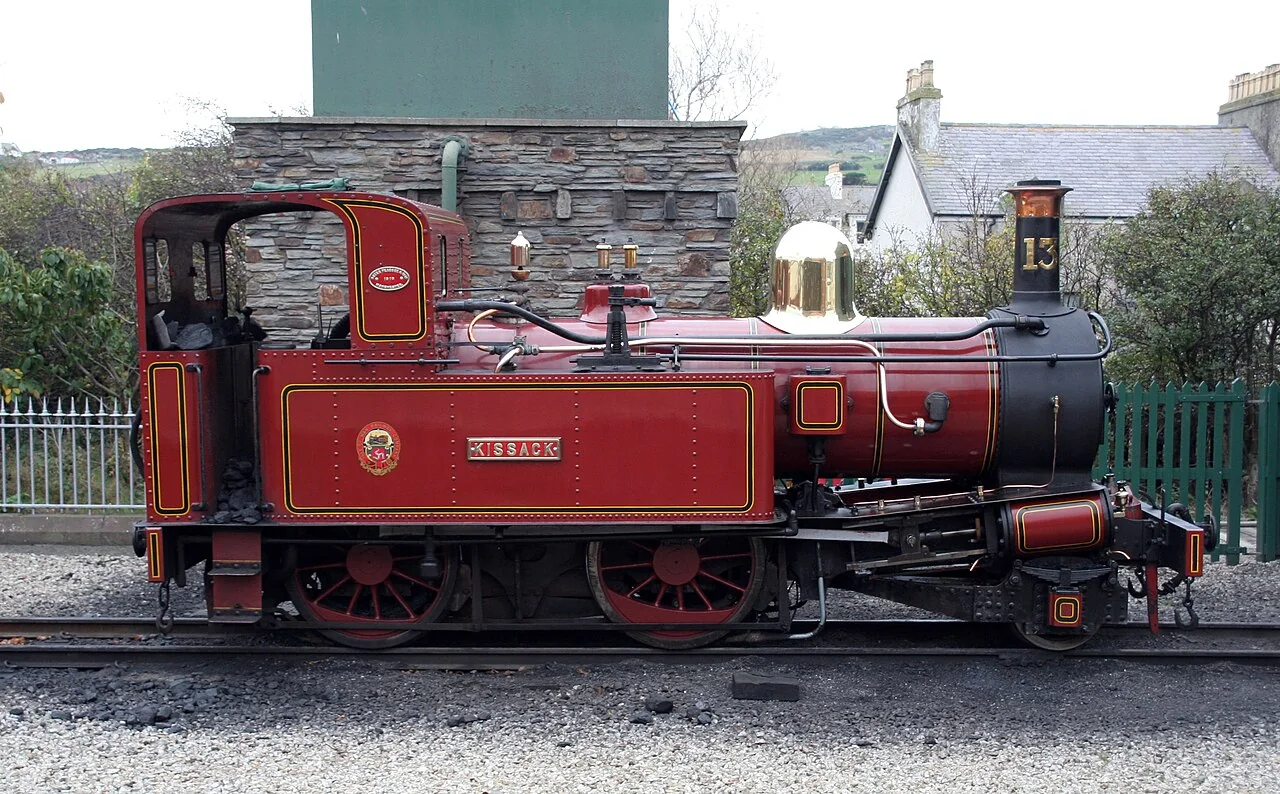
Spring can suit visitors interested in a mix of outdoor exploration and reopening seasonal attractions. The important check is the actual calendar: the principal railways do not necessarily begin together, and a published season range does not mean a service operates every day. Use the railway operating dates before fixing a rail-led itinerary.
Plan layers and waterproofs and leave a town or museum alternative for a less inviting day outside. If a particular garden, café, ferry route or experience matters, verify its dates independently. A spring plan works best when the available choices are enough to enjoy the trip without needing every seasonal business to be open.
Summer: organise popular priorities in advance
For a family holiday or a varied first visit, summer is a sensible period to compare because many visitors want several outdoor and seasonal activities in one stay. Availability still needs checking. Book the important travel and accommodation together, then reserve any limited-capacity experience that is essential to the trip.
Keep the daily plan selective even when the calendar offers plenty. One substantial outing and an optional second stop can leave room to enjoy a beach, a meal or an unexpected view. Do not assume warm, dry conditions throughout the visit; pack for changes and keep a flexible day for an exposed summit or weather-sensitive boat activity.
Autumn and winter: change the itinerary, not just the clothes
An autumn break can focus on towns, heritage, coast and a slower pace, provided the chosen dates work with opening days. Check the season’s end for each railway and attraction individually. Build enough enjoyable options into the plan that one closure or wet day does not remove the main reason for travelling.
For winter, start with accommodation, meals, indoor visits and bus journeys you can verify, then add suitable outdoor time around the forecast. Do not copy a summer rail itinerary and expect the same transport to run. A short, well-chosen off-season visit can be more satisfying than a long checklist of places that are closed when you arrive.
| Main interest | Calendar check before booking |
|---|---|
| Heritage railways | Specific line, date and timetable. |
| Walking and scenery | Forecast, daylight and practical return travel. |
| Family activities | Opening days and age requirements. |
| Quiet town break | Accommodation, dining and indoor options. |
Treat TT and other racing dates as a separate choice
The TT transforms the purpose and logistics of a visit. If racing is the reason to travel, check the official schedule and search accommodation alongside ferry or flight availability. If your priority is ordinary touring, inspect the event calendar before choosing dates; road closures can affect a route even when you are not attending the races.
Other road-racing events also require attention, including the Classic TT and Manx Grand Prix period. Do not rely on last year’s schedule or a generic late-summer description. Check the current organiser information, contingency arrangements and access to the property you intend to book. A room’s location relative to the course can matter as much as its distance from a town.
Use weather to choose the day’s plan
Use the Ronaldsway Met Office forecast close to the trip and during the stay, rather than treating a historical monthly average as a prediction. An exposed hill, coast and town can offer very different experiences on the same day. Keep the most weather-dependent activity movable where the booking conditions allow.
Pack useful layers, a waterproof and footwear suited to the activities you have chosen. Save an indoor alternative near each planned area so a change of weather does not require crossing the whole island. Before booking, check how a tour operator handles unsuitable conditions and whether you can realistically use any offered alternative date.
Your questions, answered.
Which month has the best weather?
No month guarantees suitable conditions. Choose dates that fit your activities, use climate information only as broad context and check the official forecast close to travel.
Should I avoid TT?
Choose it deliberately if you want racing and the event atmosphere. If your priority is flexible sightseeing, check official event dates and closure implications before booking.
Is a winter visit worthwhile?
It can be, with a plan built around verified indoor attractions, towns, available dining and buses. Check opening days and do not assume the main heritage railways operate as they do in summer.
Check the details that can change.
Operator and official sources checked on 16 October 2026. Routes, access, opening days, fares and entry requirements can change. Use the links below for your travel dates. Suggested pacing and base comparisons are our editorial judgement; this is not a firsthand property or tour review.